
Scratching Posts
-
Regular price £29.99Regular price
-
Regular price £34.99Regular price
-
Regular price £114.99Regular price
-
Regular price £39.99Regular price
-
Regular price £24.99Regular price
-
Regular price £589.99Regular price
-
Regular price From £24.99Regular price
-
Regular price £74.99Regular price
-
Regular price £29.99Regular price
-
Regular price From £14.99Regular price
-
Regular price From £44.99Regular price
-
Regular price £54.99Regular price
-
Regular price £15.99Regular price
-
Regular price £18.99Regular price
-
Regular price From £24.99Regular price
-
Regular price £39.99Regular price
















Scratching Posts
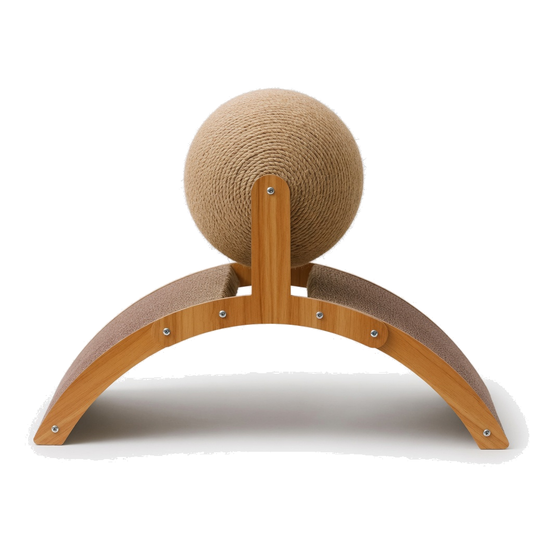
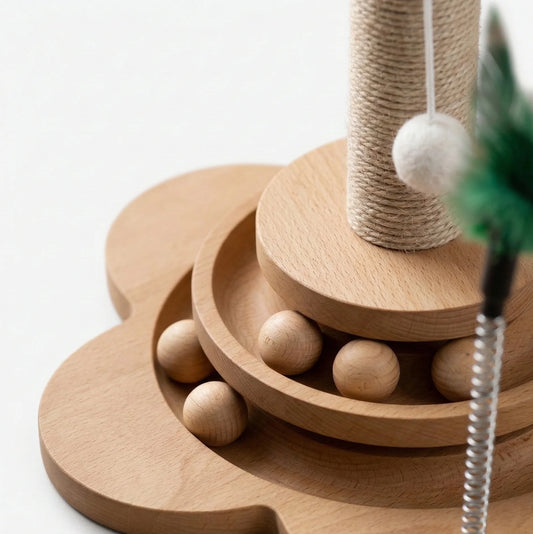
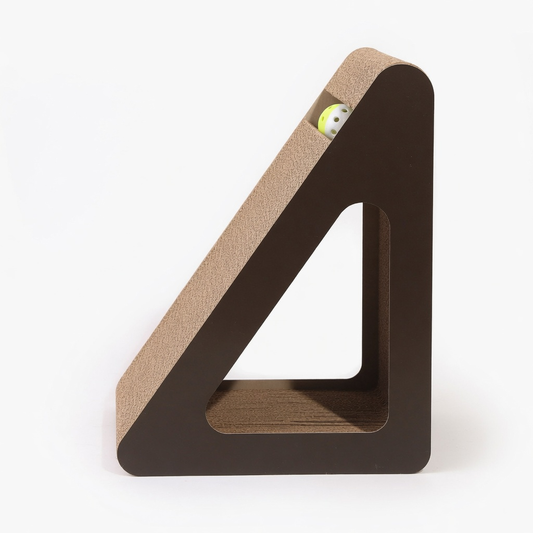
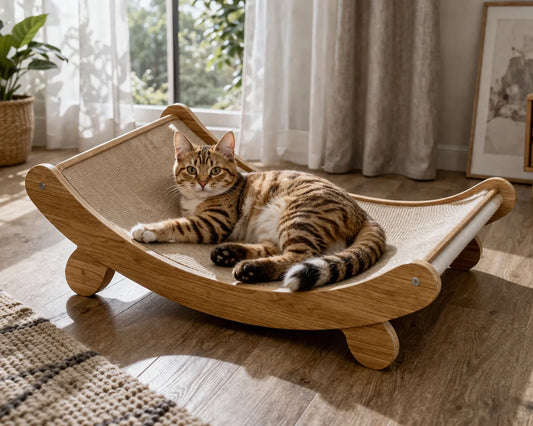
Scratching is not a training problem to be corrected, it's a normal cat behaviour that needs a proper outlet. This collection covers scratching posts, scratch pads and scratchers in sisal, cardboard and wood, so your cat has somewhere better to scratch than your sofa.
Why cats scratch in the first place
Scratching serves several purposes at once: it removes the worn outer layer of a cat's claws, stretches muscles in the back, shoulders and paws, and leaves both a visual mark and a scent mark from glands in the paws to signal territory. None of that need goes away if you simply remove access to a scratched piece of furniture, which is why redirection works far better than prevention alone.
Upright posts: for cats that stretch while they scratch
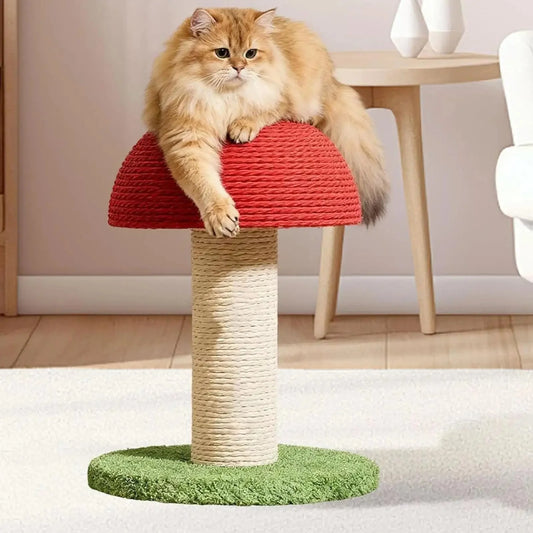
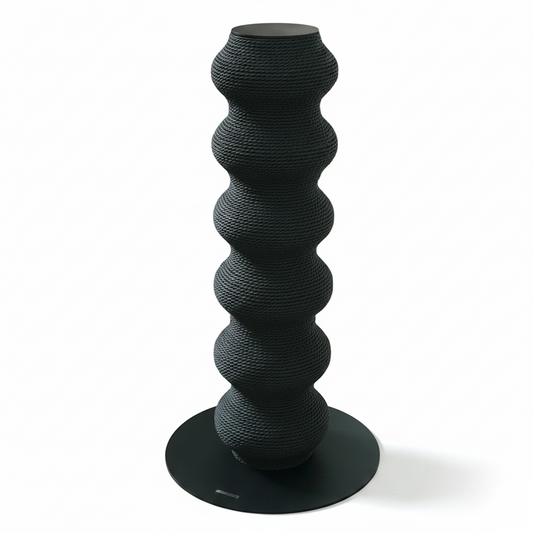
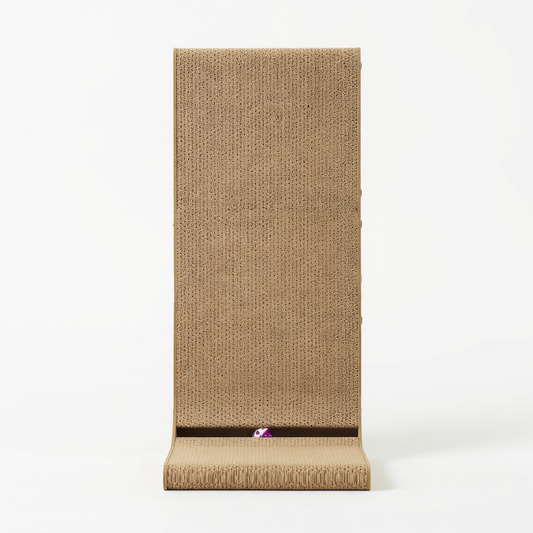
Many cats prefer to scratch while fully stretched upward, which is why a tall, sturdy upright post is often the single most effective option for redirecting scratching away from a sofa arm or door frame. The post needs to be tall enough for a full stretch and stable enough not to wobble or tip, since an unstable post gets abandoned quickly in favour of something sturdier, like your furniture.
Flat pads and floor scratchers: for horizontal scratchers
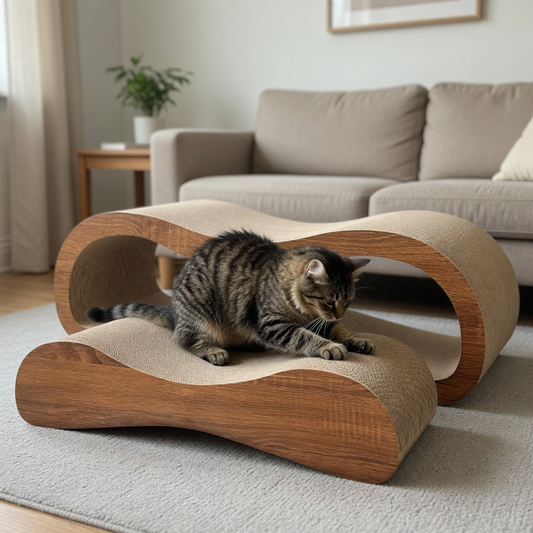
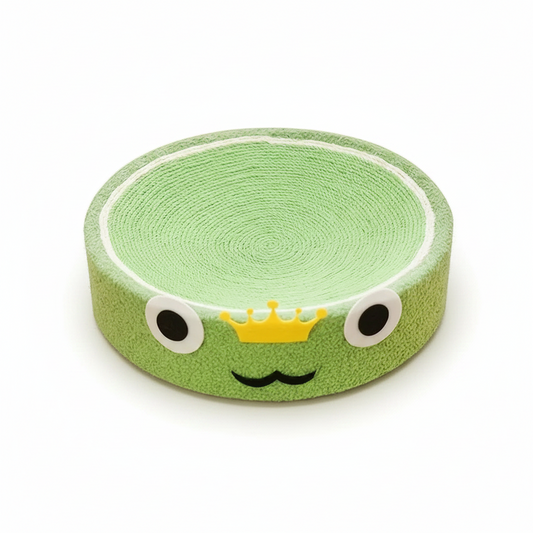
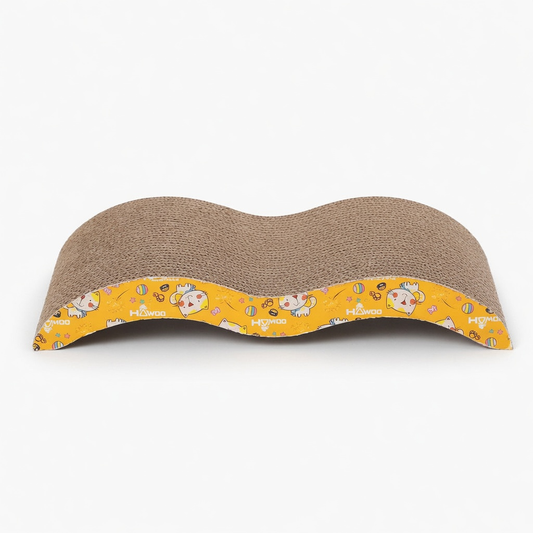
Some cats scratch almost exclusively at floor level rather than reaching upward, and for these cats a flat cardboard or sisal scratch pad works far better than any upright post. These tend to be lighter, more affordable, and easy to place in multiple rooms, though cardboard versions do wear down and need periodic replacing.
Wall mounted scratchers: working with the diagonal instinct
Many cats naturally scratch at an angle rather than perfectly vertically or horizontally, and wall mounted scratchers are built around exactly that instinct while saving floor space at the same time. These work particularly well positioned near a favourite resting spot, since cats often stretch and scratch right after waking up.
Choosing a material
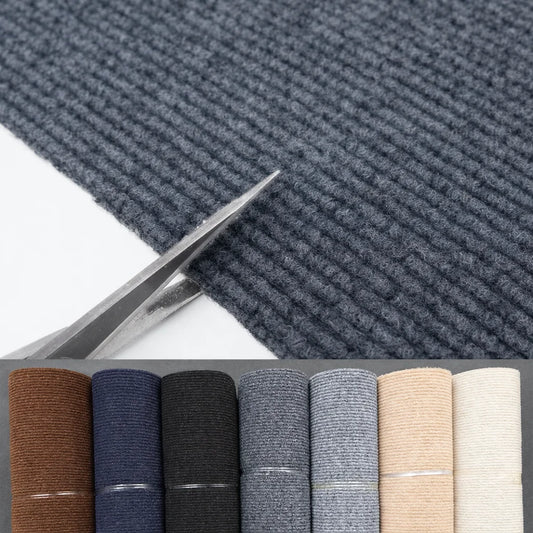
Sisal rope and sisal fabric are the most durable materials and tend to hold up best to heavy daily use, making them a good long term choice for most cats. Cardboard is a lighter, more budget friendly option, well suited to cats who don't need the heaviest duty surface, though it will need replacing more regularly than sisal. Wood based scratchers sit somewhere in between on durability and often integrate into cat tree and climbing frame designs.
Introducing a new scratcher
Placing a new scratching post directly next to an area your cat has already been scratching, rather than in an unrelated part of the room, makes it far more likely to be used quickly, since it sits right where the behaviour was already happening. Some owners find lightly running a hand or a toy across the surface helps draw initial attention to a scratcher a cat hasn't yet noticed.
Replacing worn scratchers
A heavily shredded sisal post or a flattened cardboard pad isn't a sign of failure, it's a sign the scratcher has been doing exactly its job and is due for replacement. Waiting too long to replace a worn scratcher risks a cat drifting back toward furniture once the old surface stops feeling satisfying to scratch.
Multiple scratchers around the home
A single scratching post is rarely enough for a multi-room home, since cats often want to scratch immediately after waking up or entering a room, not walk to a single fixed location elsewhere in the house. Having at least one scratcher in each main room a cat spends time in tends to keep furniture protected more consistently than relying on one post in an isolated spot.
A quick checklist before you buy
Notice whether your cat currently scratches upright on furniture, flat on carpet, or at an angle on a door frame, since that behaviour is the clearest guide to whether an upright post, a flat pad or a wall mounted scratcher will actually get used. Buying based on your cat's existing habits, rather than what looks best in a room, is the single biggest factor in whether a new scratcher succeeds.
Placement matters as much as the scratcher itself: position it near furniture your cat has already been scratching, not tucked away in an unused corner, since a scratcher your cat never encounters won't redirect anything. Browse the full range below and filter by upright posts, flat pads or wall mounted scratchers.
Furnishing the place for a cat who stays in? See also our Cat Trees & Climbing Frames, Toys and Cat Beds.