
Harnesses & Leads
-
Regular price £18.99Regular price
-
Regular price £14.99Regular price
-
Regular price £9.99Regular price



Harnesses & Leads
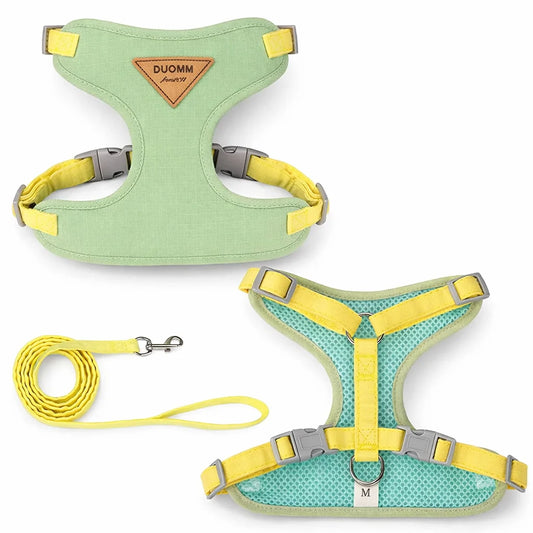
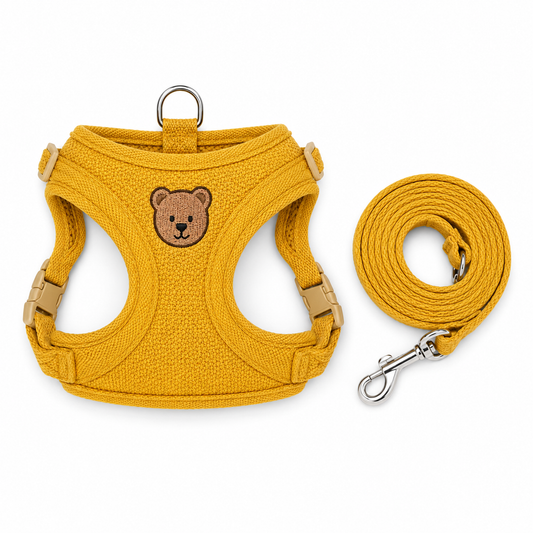
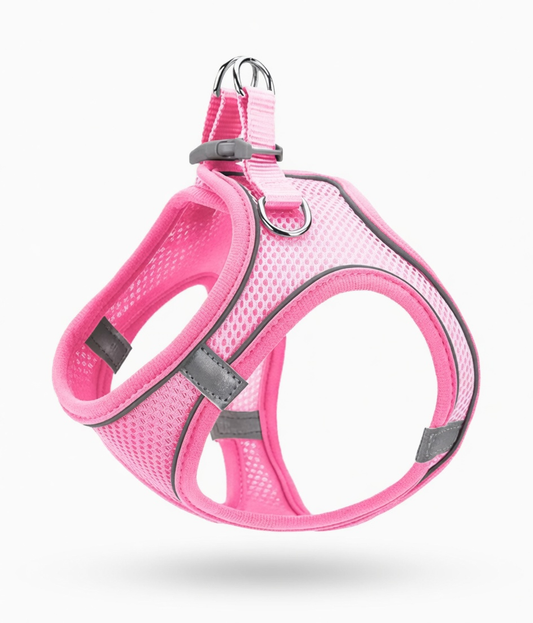
Walking a cat is not the same exercise as walking a dog, and the harness makes almost all of the difference. This collection covers escape proof and adjustable cat harnesses designed around a cat's flexibility, instincts and body shape, rather than scaled down dog gear.
Why a harness matters more than the lead
Cats are considerably more flexible than dogs and far better at wriggling out of anything that isn't fitted properly, which is why attaching a lead to a plain collar is widely discouraged for cats. A harness spreads pressure across the chest and shoulders instead of the neck, which is both safer if your cat pulls or startles and far harder for a determined cat to slip out of mid walk.
Escape proof design
The most secure cat harnesses use full coverage across the chest and back with multiple adjustment points, rather than a single loop that a cat can twist out of. Look for a design with both a chest strap and a belly strap, since a harness with only one point of adjustment is usually the easiest for a flexible cat to back out of when startled.
Comfort for longer sessions
Padded straps and breathable mesh matter more the longer you plan to walk, since a harness that rubs or overheats quickly turns a walk into a fight to get the harness off again. A well fitted harness should sit snugly without restricting normal movement, allowing your cat to walk, crouch and turn around comfortably.
Introducing a harness for the first time
Most cats need a gradual introduction rather than being expected to wear a harness and walk calmly on day one. Letting your cat wear the harness indoors for short, positive sessions before attaching a lead, and before attempting an actual walk outside, makes the whole process far smoother and reduces the chance of your cat associating the harness with stress.
Choosing a lead
A lightweight lead with some give, rather than a rigid or heavy one, tends to suit cats better than standard dog leads, since a heavier lead can feel like an unfamiliar, unwelcome weight pulling on the harness. Length matters too: a shorter lead gives you more direct control in busier areas, while a longer lead suits calmer, more open spaces where your cat has room to explore at their own pace.
Common harness fitting mistakes
The most common mistake is leaving too much slack, on the assumption that a looser fit is more comfortable, when in practice a loose harness is exactly what allows a startled cat to back out of it. The straps should sit snugly enough that you can't easily slide the harness forward over the shoulders, while still allowing a full, unrestricted range of movement for walking, sitting and turning around.
Reading your cat's comfort level
A cat that flops onto its side, freezes completely, or repeatedly tries to bite or claw at the harness after it's fitted usually needs a slower, more gradual introduction rather than being pushed straight into a walk. Watching for relaxed body language, a normal walking gait and a curious rather than frozen posture is a better guide to readiness than a fixed timeline.
A quick checklist before you buy
If your cat has never worn a harness before, prioritise a design that's simple to put on and take off over one with the most coverage, since a harness that's a struggle to fit each time is less likely to get used regularly. Once your cat is comfortable with the basics, you can move toward a more secure, fuller coverage design for longer or more adventurous walks.
Pair any harness here with a matching lead for full control on walks, garden time or supervised outdoor sessions. Browse the full range below to find the right size and coverage for your cat.
Kitting out a garden wanderer? See also our Collars, GPS Trackers and Carriers & Travel Bags.