
Grooming
-
Regular price From £4.99Regular price
-
Regular price £11.99Regular price
-
Regular price £8.99Regular price
-
Regular price £9.99Regular price
-
Regular price £19.99Regular price
-
Regular price £14.99Regular price






Grooming
Regular brushing does far more than keep a cat looking tidy, it directly reduces the amount of fur your cat swallows during self grooming, which is one of the most effective, lowest effort ways to cut down on hairballs. This collection covers cat brushes, combs and grooming tools suited to coats of every length.
Why brushing matters beyond appearances
Cats spend a significant part of each day self grooming with their tongue, which means loose, dead fur gets swallowed constantly unless it's removed some other way first. Regular brushing intercepts that fur before it's ingested, reducing hairball frequency, and also removes a meaningful amount of the shedding that would otherwise end up on sofas, clothes and carpets throughout the week.
Slicker brushes: the most versatile option
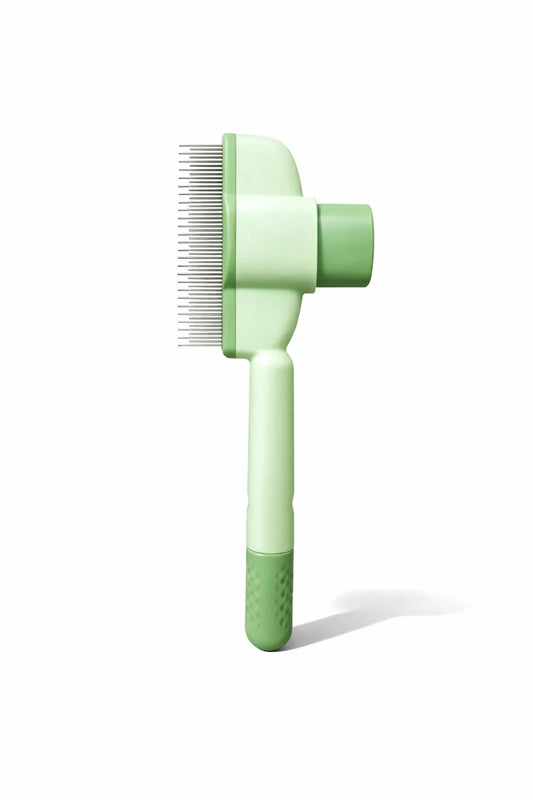
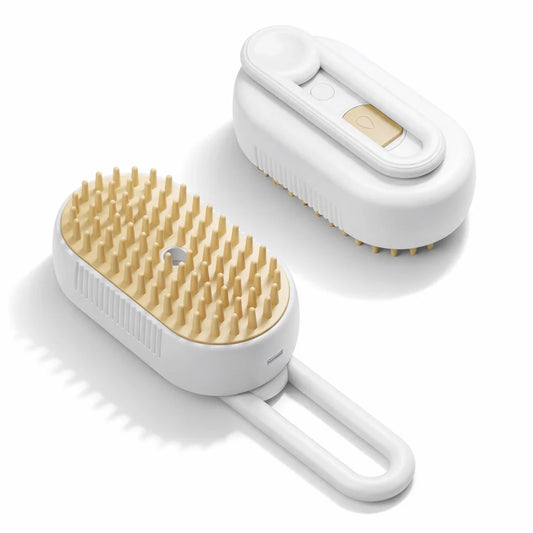
Slicker brushes, with their fine, closely spaced bristles, work well across most coat types and are particularly effective at reaching and removing loose undercoat fur that a simple flat brush tends to skim over. For cats that shed heavily, particularly during seasonal coat changes in spring and autumn, a slicker brush usually makes the biggest visible difference.
Softer brushes for sensitive cats
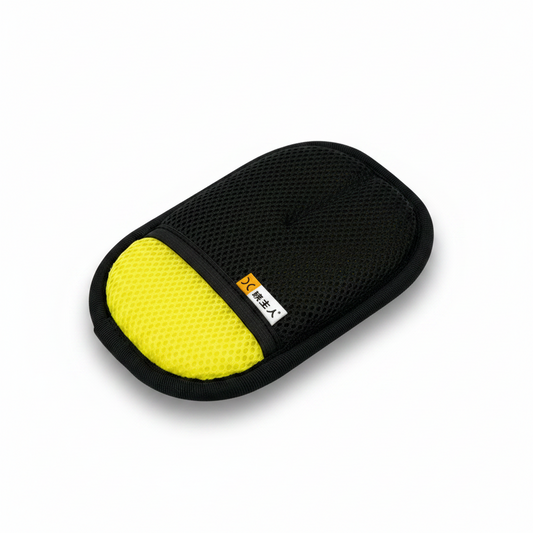
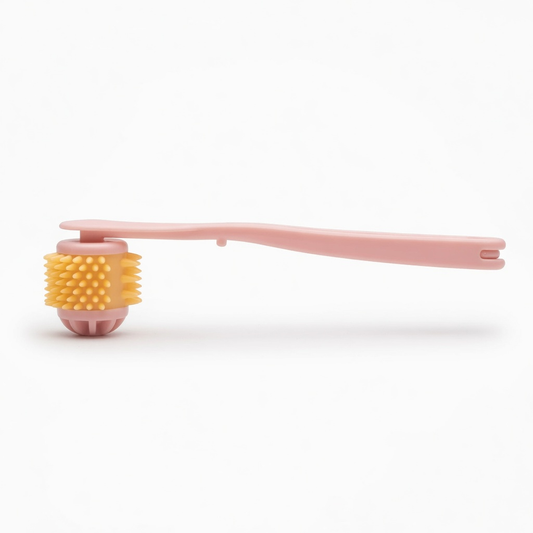
Cats with shorter, finer coats, or cats with particularly sensitive skin, often tolerate a softer bristle brush far better than a slicker brush, since the gentler contact feels closer to being petted than being groomed. These are also a good starting option for cats that haven't been brushed regularly before, since a gentler introduction tends to build more positive associations with the whole routine.
Long haired cats and preventing mats
Long haired breeds need more frequent brushing specifically to prevent mats and tangles from forming, particularly around the armpits, behind the ears and around the base of the tail, areas a cat can't easily reach or manage through self grooming alone. Left too long, mats can pull uncomfortably on the skin and, in more severe cases, need to be professionally removed, so regular brushing is genuinely preventative here rather than just cosmetic.
Building a routine your cat tolerates
Short, calm sessions a few times a week, rather than one long weekly session, tend to be tolerated far better by most cats, since it avoids the point where brushing starts to feel like a wrestling match. Starting sessions when your cat is already relaxed, and stopping before they show signs of irritation, helps keep brushing something your cat accepts rather than actively avoids.
Grooming during shedding season
Most cats shed more heavily during spring and autumn as their coat adjusts for the coming season, and temporarily increasing brushing frequency during these windows tends to keep both hairballs and household fur under noticeably better control. A brush that felt like overkill in midwinter can become genuinely necessary during a heavy spring shed.
When to consider professional grooming
Severely matted fur, particularly in long haired cats, sometimes reaches a point where a professional groomer is a safer option than attempting to remove mats at home, since pulling on tight mats can be painful and, in some cases, damage the skin underneath. Regular at-home brushing is the best way to avoid reaching that point in the first place, but it's worth recognising when a situation has moved beyond what a home brush can safely manage.
Building trust around grooming
Cats that are naturally more sensitive to touch, or that have had an uncomfortable grooming experience before, often need grooming reintroduced gradually, starting with very short sessions and stopping well before any sign of irritation. Pairing brushing with something your cat already enjoys, like a favourite spot or a moment of calm attention, tends to build a more positive association over repeated sessions.
A quick checklist before you buy
Choose a slicker brush as a solid, versatile default if you're unsure where to start, since it works reasonably well across most coat types and shedding levels. Move to a softer brush specifically if your cat has shown sensitivity to a firmer brush before, and add a comb only once you're managing a longer coat that needs more detailed attention around problem areas.
Browse the full range below and choose a brush suited to your cat's coat length and sensitivity, adding a comb for finer detail work around harder to reach areas.
Keeping them busy and tidy? See also our Toys, Litter Boxes and Cat Beds.