
Collars
-
Regular price £19.99Regular price
-
Regular price £39.99Regular price
-
Regular price £9.99Regular price
-
Regular price From £6.49Regular price
-
Regular price £17.99Regular price
-
Regular price £17.99Regular price
-
Regular price £12.99Regular price
-
Regular price £34.99Regular price
-
Regular price £84.99Regular price
-
Regular price £84.99Regular price
-
Regular price £11.99Regular price
-
Regular price £79.99Regular price
-
Regular price £31.99Regular price
-
Regular price £12.99Regular price
-
Regular price From £4.99Regular price

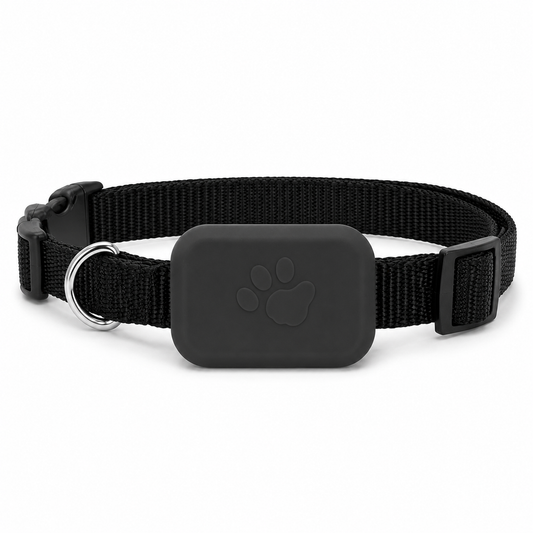

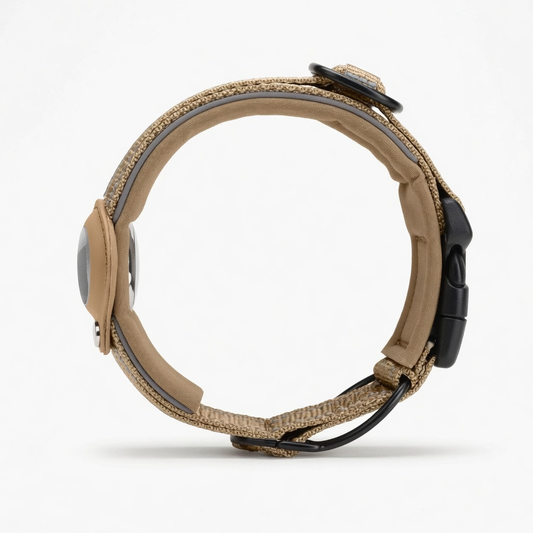

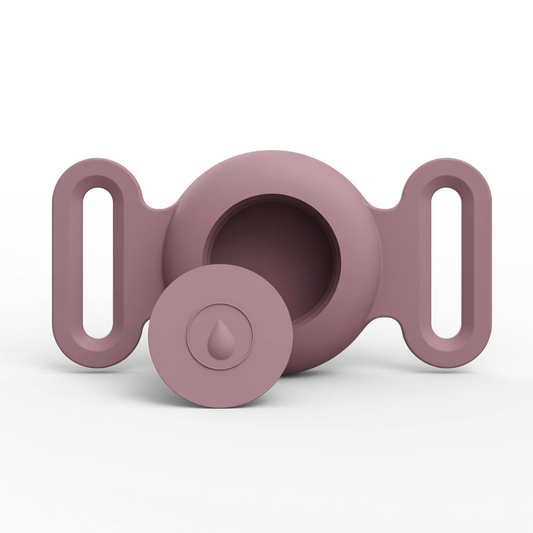

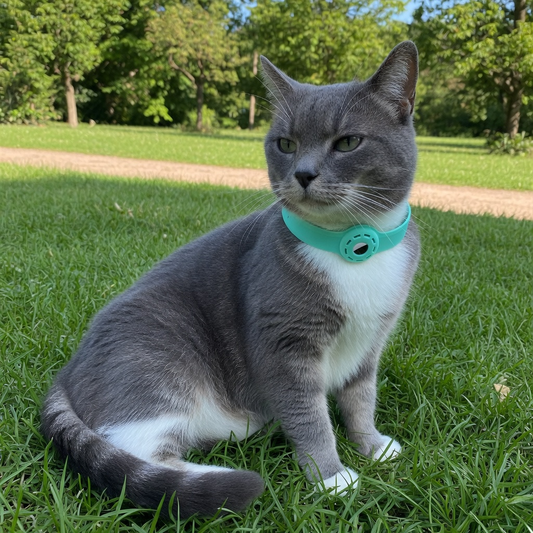









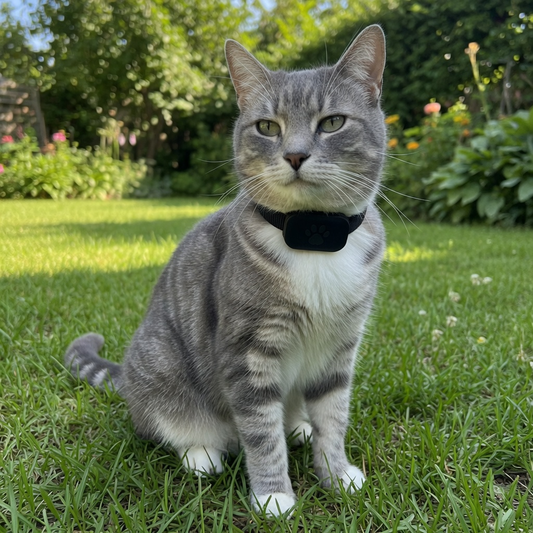


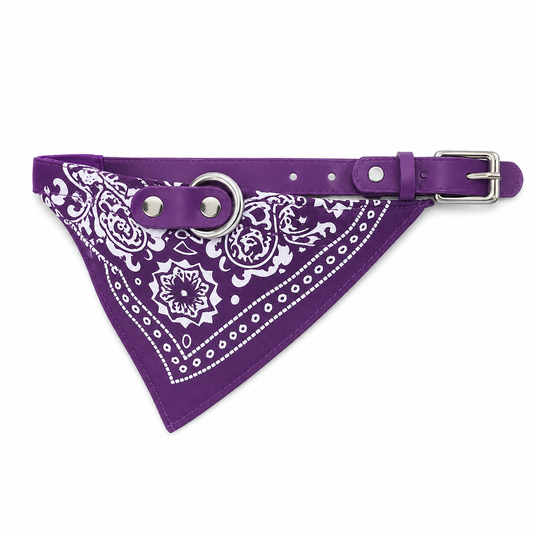
Collars
A collar for cats is one of the simplest, cheapest ways to help a lost cat find their way home, yet it's also one of the most commonly overlooked pieces of cat gear. This collection covers breakaway collars, personalised collars and everyday collars designed specifically for the shape and habits of a cat.
Why cat collars need to be different from dog collars
Cats are far more likely than dogs to squeeze through tight gaps, climb fences and get caught on branches, which is exactly why a proper cat collar always includes a breakaway or quick release element. A collar built for a dog is usually too rigid and too strong to release under pressure, which turns a snagged collar from a minor inconvenience into a genuine safety risk. Cat specific collars are also lighter and narrower, since a heavy collar can be uncomfortable for a much smaller neck and frame.
Breakaway collars: the safety standard
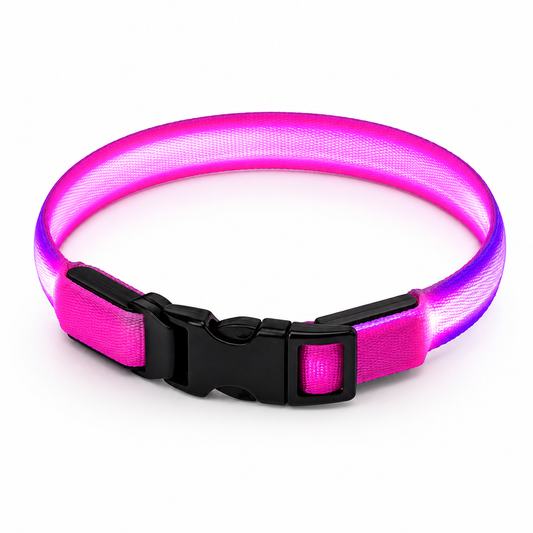
Breakaway cat collars are designed to pop open under a set amount of pressure, so if your cat gets caught while climbing or exploring, the collar releases before it becomes a strangulation risk. This one feature is widely considered the minimum safety standard for any cat that spends time outdoors, in a garden, or even indoors around furniture and gaps a curious cat could get stuck in.
Personalised collars: faster identification
A personalised cat collar with an engraved name and phone number removes the need for a separate dangling tag, which some cats find easier to tolerate since there's nothing extra swinging or catching on things. It also means identification is built into the collar itself, so even if a separate tag were ever lost, your contact details would still be there.
Fit and comfort
A properly fitted collar should allow two fingers to slip comfortably underneath without excess slack, loose enough not to restrict breathing but snug enough that your cat can't back out of it. Adjustable sizing matters here, since a growing kitten or a cat whose weight shifts seasonally will need the fit rechecked every few weeks. Soft materials like silicone or padded fabric tend to be tolerated better over long term daily wear than stiff, unforgiving straps.
Collar bells and added safety features
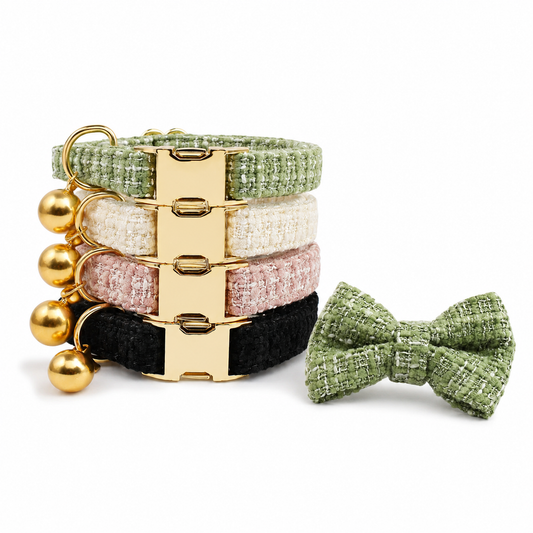
A small bell attached to a collar can help alert local wildlife to your cat's presence, which some owners add specifically to reduce hunting success, alongside giving you an audible cue when your cat is nearby indoors. Reflective strips or stitching serve a similar added safety purpose for cats that are out and about during darker evenings, making them easier for drivers and cyclists to spot.
How often to check the fit
A collar that fit well when you first put it on can become too tight as a kitten grows, or too loose if an adult cat loses weight, so it's worth physically checking the fit every few weeks rather than assuming it stays correct indefinitely. The standard check is sliding two fingers flat underneath the collar; if that's difficult, the collar is too tight, and if the collar can be pulled forward over the ears with minimal resistance, it's too loose to be reliably safety in an emergency.
Introducing a collar for the first time
Cats that have never worn a collar before sometimes react by scratching at it repeatedly or trying to remove it, which usually settles within a few days as they get used to the sensation. Putting the collar on for short periods initially, building up to full time wear, tends to lead to a calmer adjustment than expecting a cat to accept it permanently from the very first day.
A quick checklist before you buy
If you're buying a first collar for a kitten, expect to size up more than once as they grow, and check the fit more frequently than you would for a fully grown adult cat. For an adult cat already used to wearing a collar, focus mainly on the breakaway mechanism and material comfort, since fit is less likely to change quickly once they're fully grown.
Every collar in this collection is sized and built for cats, not adapted from a smaller dog size. Browse the full range below to find the right balance of safety, comfort and identification for your cat.
Kitting out a garden wanderer? See also our GPS Trackers, Harnesses & Leads and Outside.