
Home & Play
-
Regular price £34.99Regular price
-
Regular price From £49.99Regular price
-
Regular price From £24.99Regular price
-
Regular price From £14.99Regular price
-
Regular price £39.99Regular price
-
Regular price From £34.99Regular price
-
Regular price £29.99Regular price
-
Regular price From £54.99Regular price
-
Regular price £29.99Regular price
-
Regular price £34.99Regular price
-
Regular price £114.99Regular price
-
Regular price From £24.99Regular price
-
Regular price £39.99Regular price
-
Regular price From £19.99Regular price
-
Regular price From £19.99Regular price
-
Regular price From £29.99Regular price
-
Regular price From £19.99Regular price
-
Regular price £24.99Regular price
-
Regular price From £549.99Regular price
-
Regular price £589.99Regular price
-
Regular price £79.99Regular price
-
Regular price £69.99Regular price
-
Regular price From £29.99Regular price
-
Regular price From £24.99Regular price
























Home & Play
Cats spend most of their day asleep, and most of the rest of it deciding where to climb or scratch next. This collection covers the three pieces of furniture that shape how a cat actually experiences your home: beds, cat trees and scratching posts.
Why dedicated cat furniture matters
Cats choose resting spots based on warmth, height and a sense of enclosure, which is why a cat often ignores an expensive bed in favour of a cardboard box on a windowsill. Furniture designed around those instincts, rather than around how it looks, tends to get used far more consistently. The same logic applies to scratching: give a cat a surface that satisfies the urge better than your sofa arm, and the sofa usually gets left alone.
Cat beds: matching the bed to how your cat sleeps
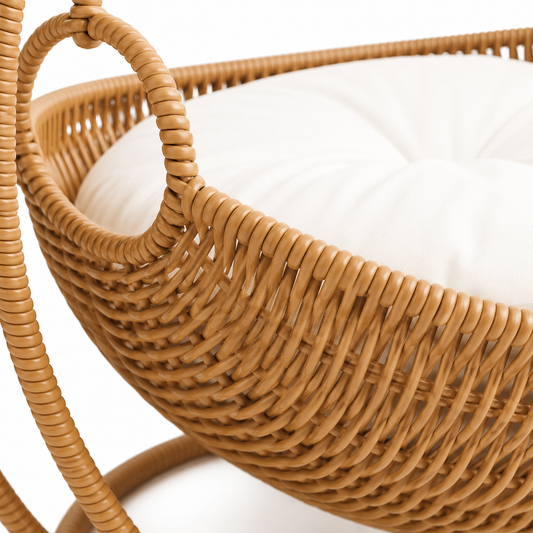
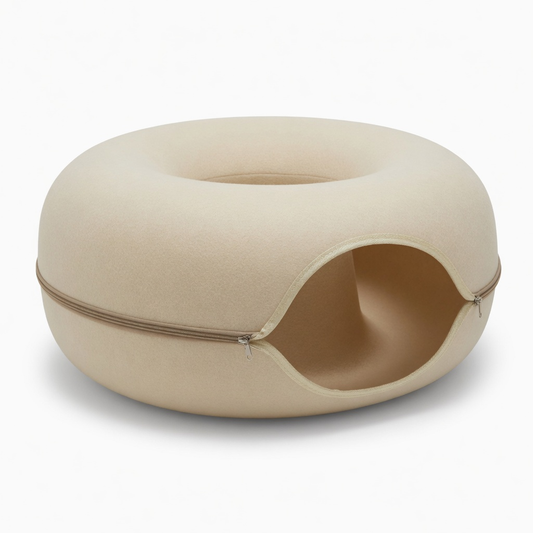
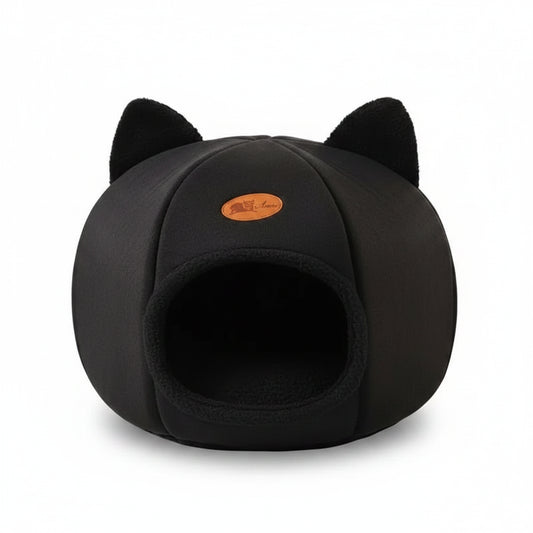
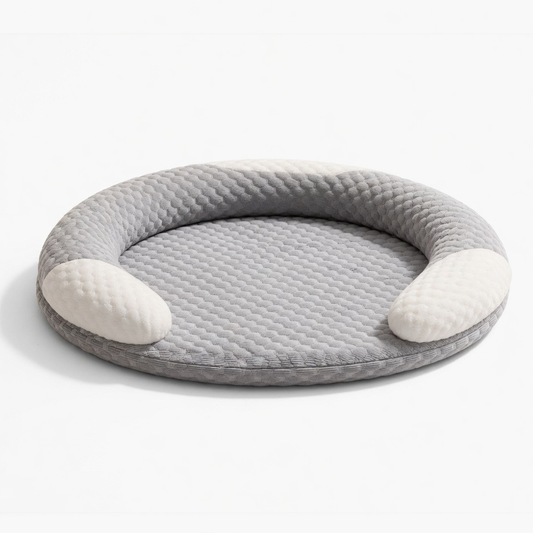
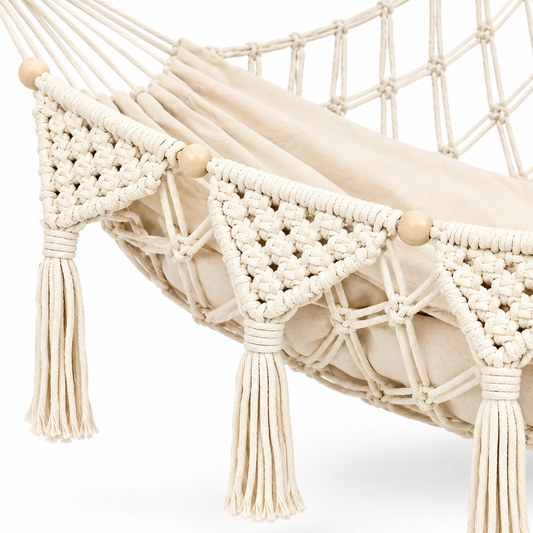
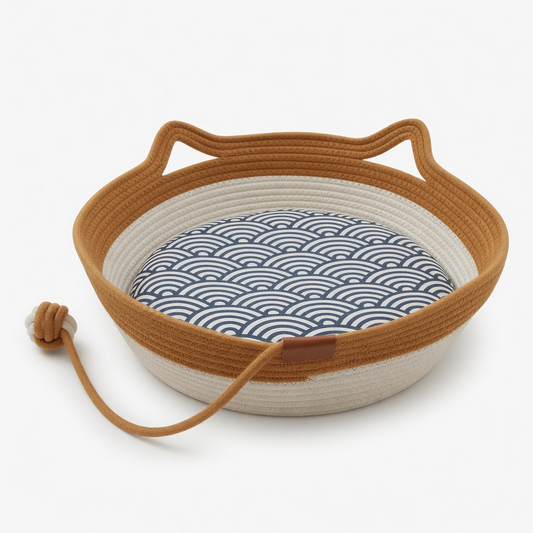
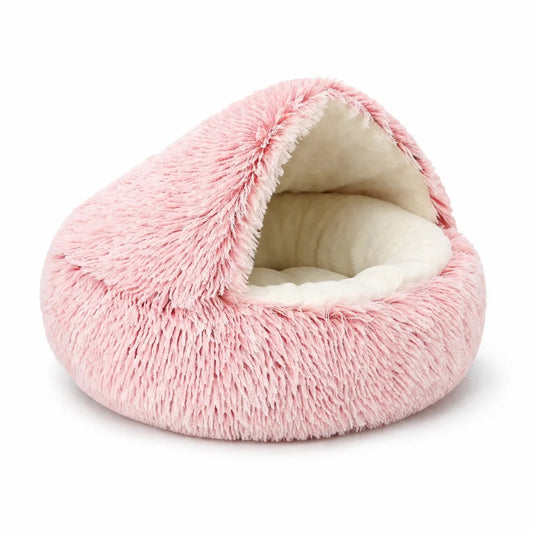
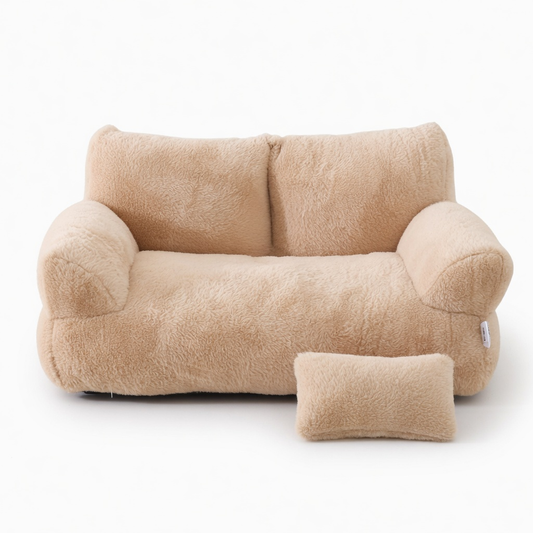
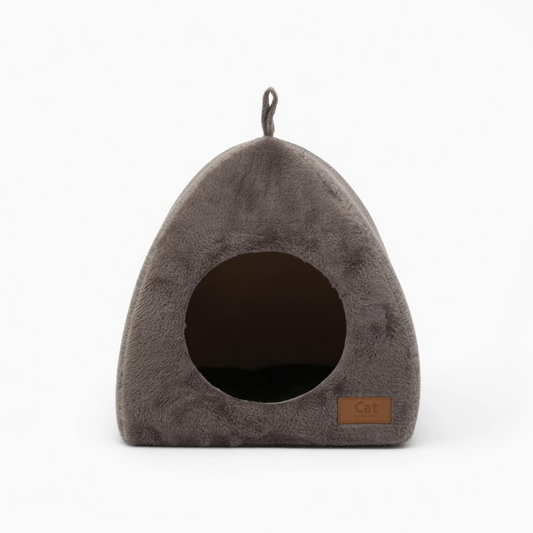
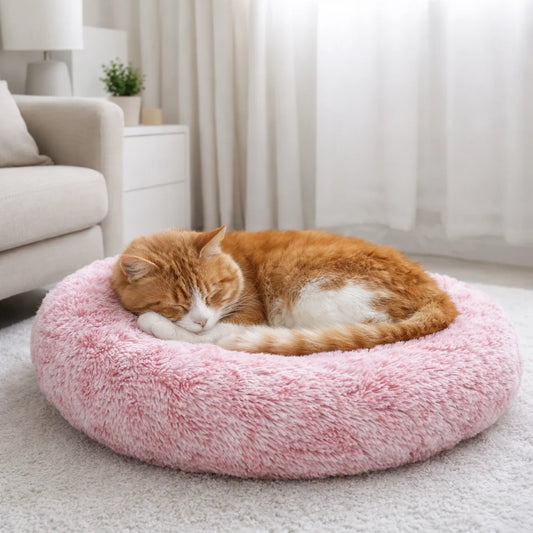
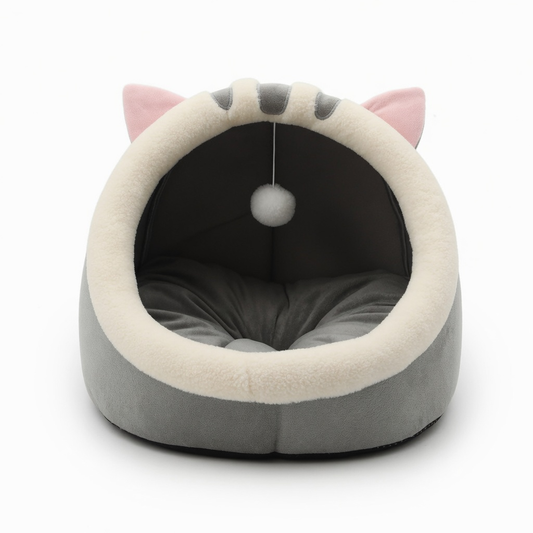
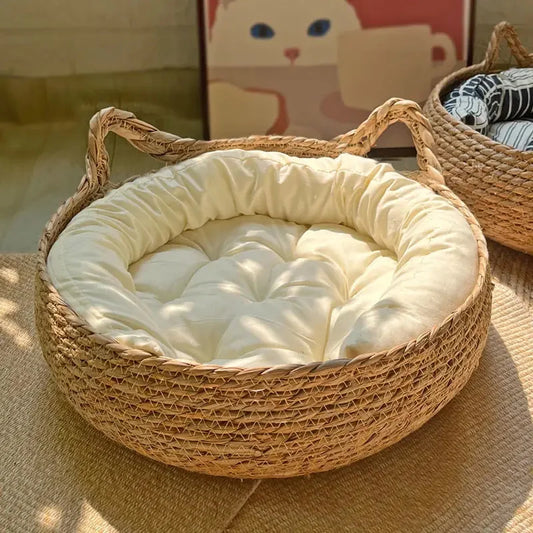
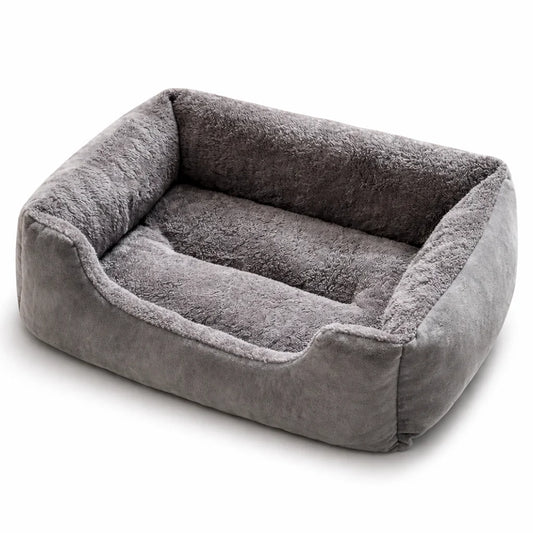
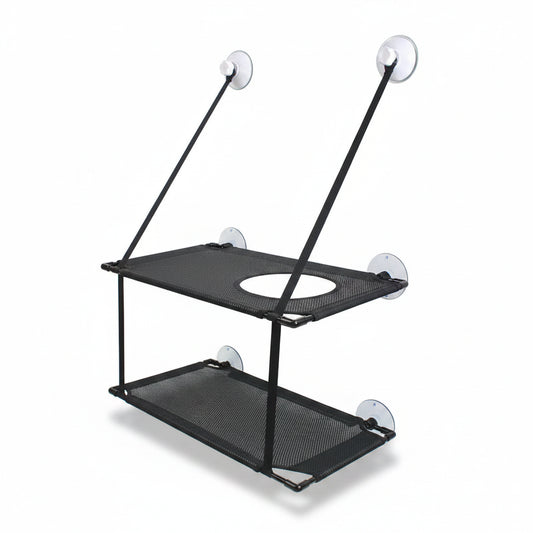
Some cats stretch out flat, some curl into a tight ball, and some want to disappear entirely into an enclosed cave. A wall mounted cat bed or window sill cat bed suits cats that like height and a view, while an enclosed nest or cave bed suits cats that prefer to hide while they sleep. Cat radiator beds clip onto a radiator for cats that chase warmth above almost everything else. Hammocks and tunnel beds add an element of play to the resting spot, which particularly suits younger or more active cats.
Cat trees: vertical space indoors
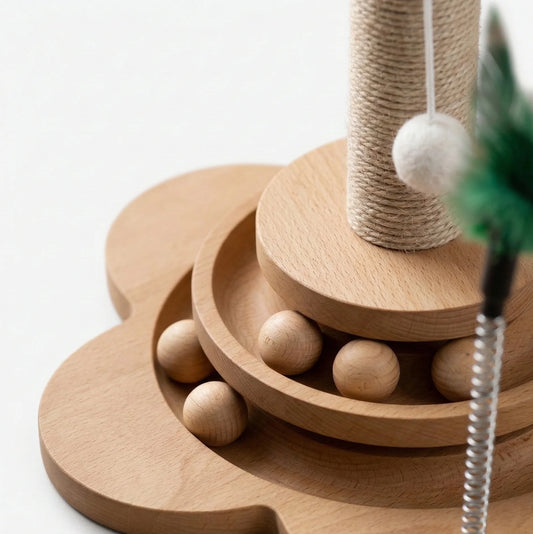
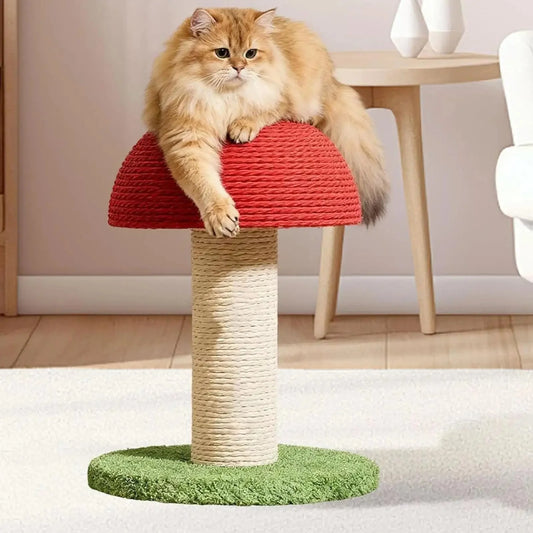
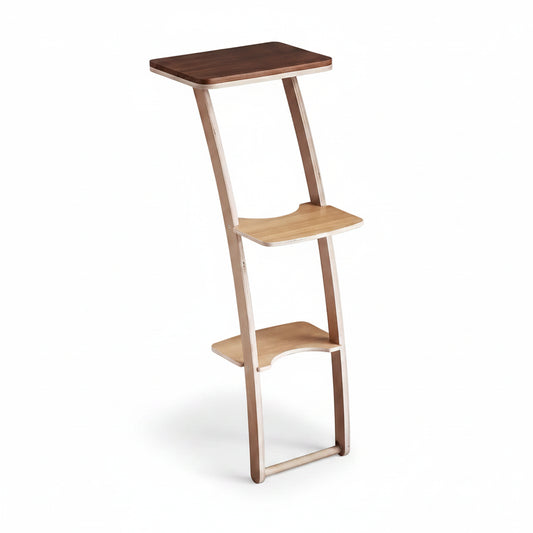
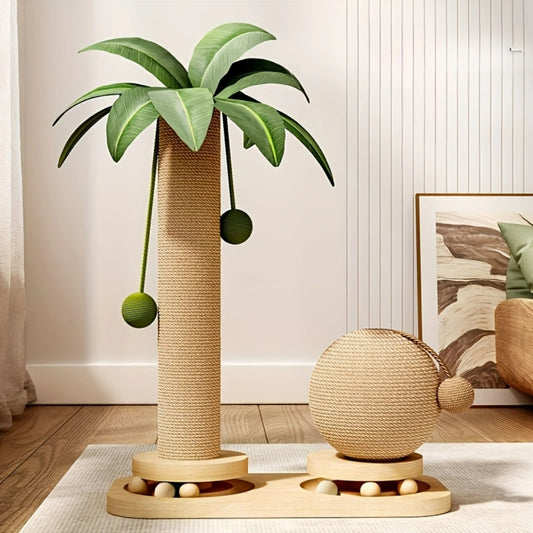
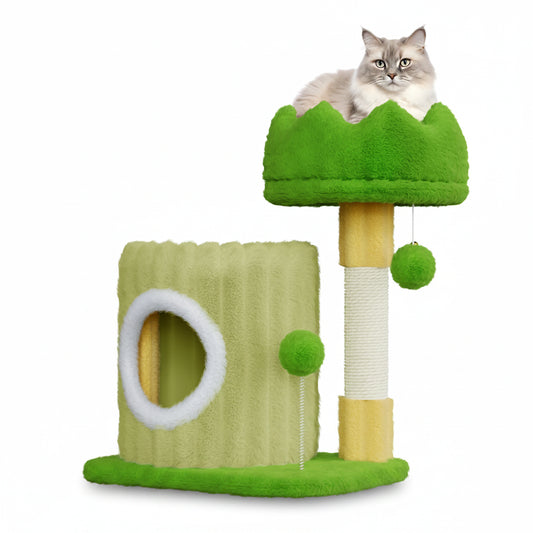
A cat tower gives an indoor cat the vertical territory they would naturally seek outdoors, letting them survey a room from above rather than at floor level. Multi tier cat trees with several platforms suit multi cat households, since height becomes a way for cats to space themselves out without conflict. Wall mounted cat trees and climbing frames are worth considering in smaller flats, since they add climbing space without eating into floor area. Look for a sisal covered post or two, since most cat trees double as a scratching surface as well as a climbing one.
Scratching posts: protecting your furniture
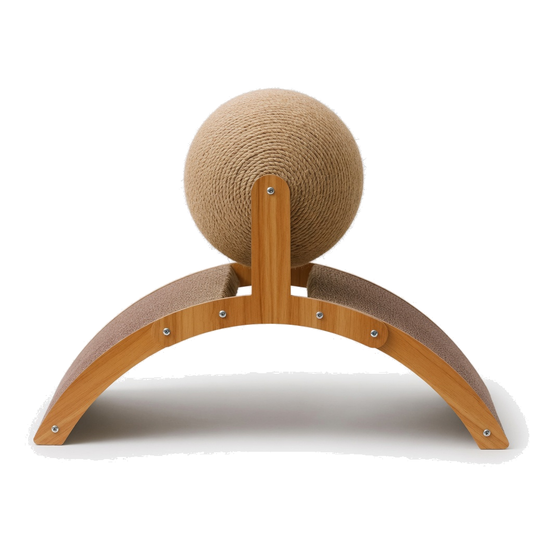
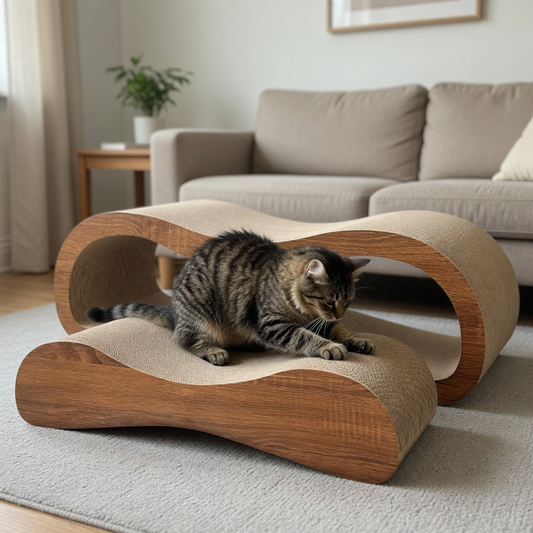
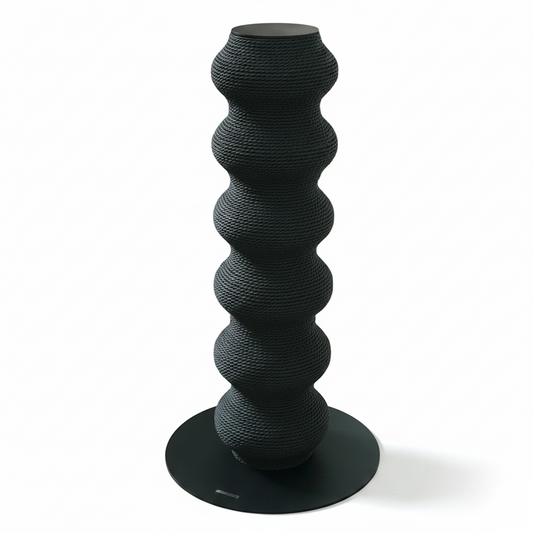
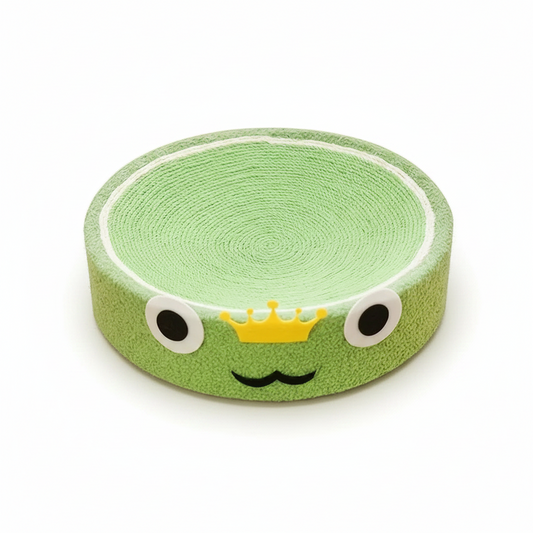
Scratching is not a behaviour problem, it is how cats mark territory and maintain their claws, so the goal is redirection rather than prevention. Upright scratching posts suit cats that like to stretch fully upward while they scratch. Flat scratch pads suit cats that prefer to scratch at floor level, and wall mounted scratchers save space while working with a cat's instinct to scratch at an angle. Sisal rope and sisal fabric are the most durable materials, while cardboard scratch pads are a lighter, more affordable option that still gets replaced periodically.
Getting the placement right
Cleaning and maintaining cat furniture
Removable, washable covers make a noticeable difference to how long a bed or tree stays genuinely pleasant to use, since fur, dander and the occasional accident build up faster than most owners expect. Sisal scratching posts don't need washing, but shaking out loose fibres and vacuuming around the base regularly keeps them tidier and extends how long they last before needing replacement.
Kittens versus adult cats
A kitten's needs shift quickly as they grow, so furniture that's too large or too tall can go unused for months until they're confident enough to use it fully. Smaller, lower cat trees and shallower sided beds tend to suit kittens better initially, with taller, sturdier trees becoming worth adding once a cat is fully grown and more confident climbing.
Multi-cat households and shared furniture
Cats are territorial by nature even within a friendly household, so a single cat tree or bed often isn't enough once you have more than one cat, particularly if there's any tension between them. Spreading beds and climbing spots across different rooms, rather than clustering them all in one place, tends to reduce competition and gives every cat somewhere to retreat to on their own.
A quick checklist before you buy
Think about where in your home your cat already spends the most time before choosing new furniture, since even the best designed bed or tree gets ignored if it's placed somewhere your cat rarely visits. Measuring the space you have available, and being honest about how much floor space you're willing to give up, helps narrow down between a floor standing tree, a wall mounted option, or a simpler bed on its own.
Furniture only works if it's positioned where your cat already wants to be. A cat tree tucked in a quiet corner gets ignored far more often than one placed near a window or in a room your cat already spends time in. The same applies to scratching posts, which work best placed near furniture your cat has already started scratching, not hidden away from it. Browse the full range below and filter by beds, trees or scratching posts to build out the furniture your cat's home is missing.
Furnishing the place for a cat who stays in? See also our Cat Beds, Cat Trees & Climbing Frames and Scratching Posts.