
Cat Trees & Climbing Frames
-
Regular price From £549.99Regular price
-
Regular price £79.99Regular price
-
Regular price £69.99Regular price
-
Regular price From £149.99Regular price
-
Regular price £99.99Regular price
-
Regular price £109.99Regular price
-
Regular price £119.99Regular price
-
Regular price £189.99Regular price
-
Regular price £94.99Regular price
-
Regular price From £44.99Regular price
-
Regular price £269.99Regular price
-
Regular price From £44.99Regular price












Cat Trees & Climbing Frames
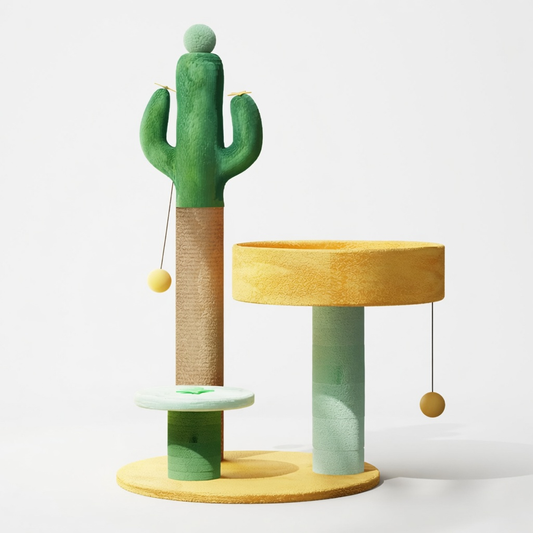
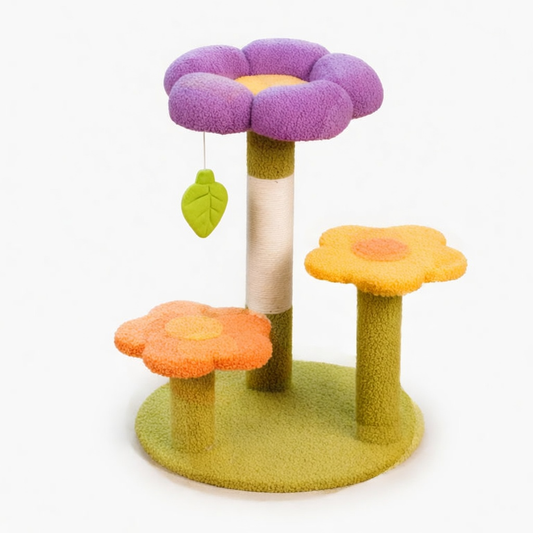
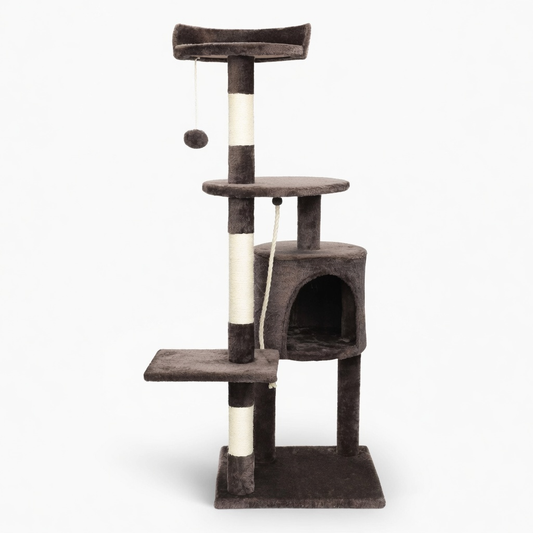
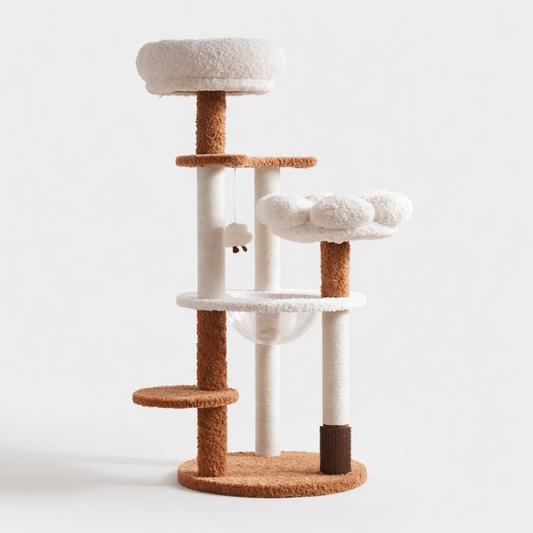
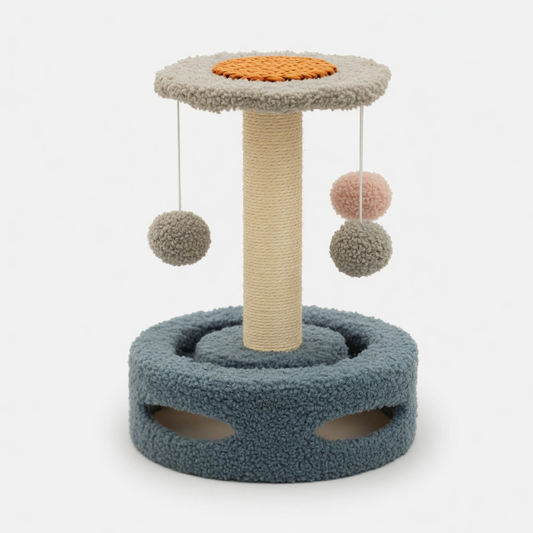
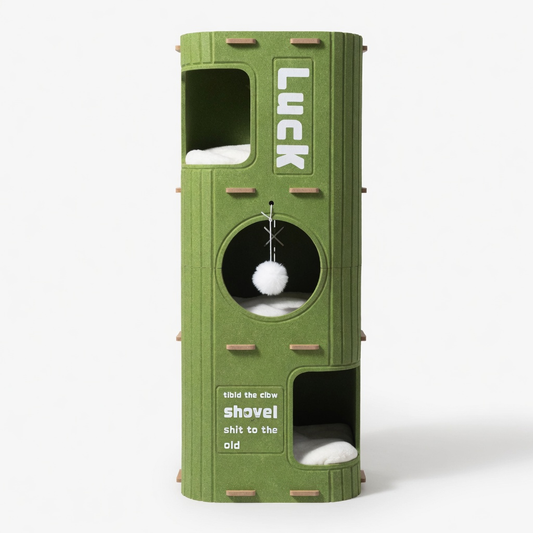
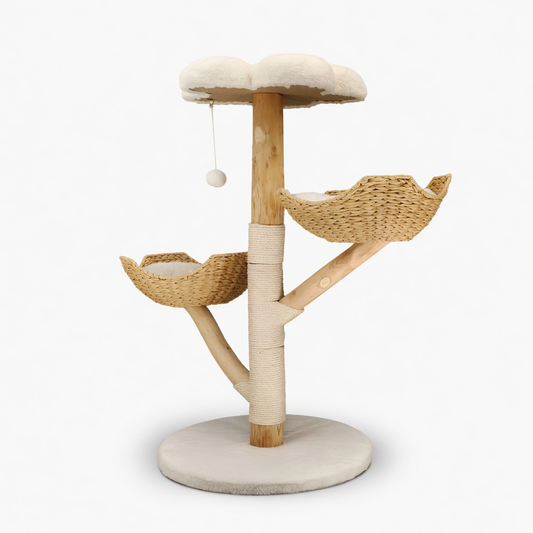
A cat tower gives an indoor cat something that's genuinely hard to replace with anything else: real vertical territory. This collection covers cat trees, climbing frames and wall mounted cat trees, sized for everything from a single kitten to large cats needing a sturdier build.
Why vertical space matters so much to cats
In the wild, height is safety and a vantage point, and that instinct doesn't disappear just because a cat lives indoors. A cat tree lets your cat survey a room from above, which tends to reduce stress in busy households, multi cat homes, or anywhere with dogs, children or frequent visitors passing through at floor level. Cats that regularly use vertical space also tend to show fewer signs of boredom and territorial tension with other pets.
Multi tier trees for multi cat households
Cat trees with several platforms at different heights let multiple cats occupy the same piece of furniture without direct competition for a single spot, which matters more than most owners expect in households with more than one cat. Giving each cat their own preferred level often reduces the kind of low level tension that shows up as swatting or blocked doorways.
Wall mounted trees and climbing frames for smaller spaces
In a smaller flat, floor standing cat trees can eat into usable room space fast. Wall mounted cat trees and climbing frames solve this by building climbing routes up a single wall instead, adding vertical territory without taking up floor area at all. These work particularly well combined with a window mounted perch as the final, highest resting point.
Sizing for large cats
Larger breeds need a cat tree with a wider base and sturdier platforms, since a tower built for a lightweight cat can wobble or tip under extra weight, which tends to put a nervous cat off using it entirely. Look for a broad base diameter and solid platform construction if you're shopping for a Maine Coon or another larger breed.
Built in scratching surfaces
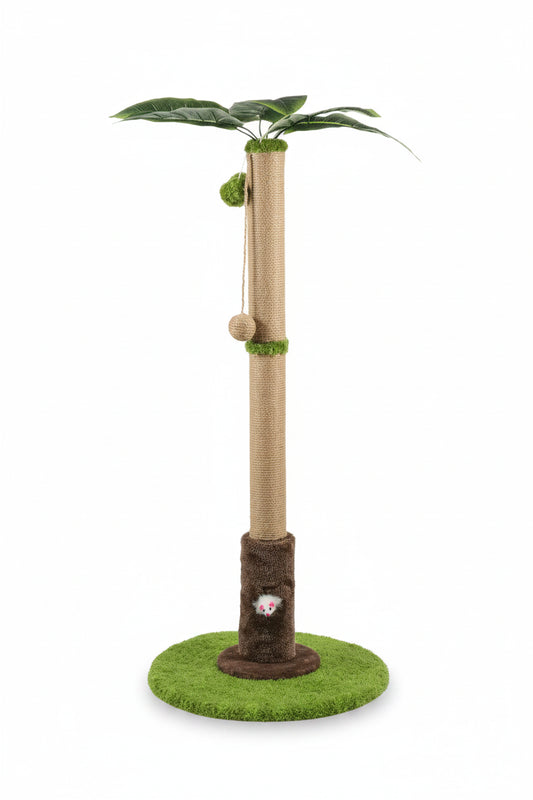
Most cat trees wrap at least one post in sisal rope or sisal fabric, which means the tree does double duty as a scratching post as well as a climbing structure. This is worth factoring in if you're also trying to redirect scratching away from furniture, since a tree placed near a favourite scratching spot can solve two problems with one purchase.
Stability and safety checks
A cat tree that wobbles noticeably when climbed on will usually be avoided by a cat after the first uneasy experience, regardless of how appealing the design looks otherwise, so checking the base is genuinely stable on your specific floor surface matters before assuming a tree will get used. Rugs and uneven flooring can sometimes affect how steady a tree feels even if it's perfectly stable on a hard, flat floor.
Assembly and floor space
Most cat trees arrive flat packed and need assembling, and it's worth double checking that all connecting bolts and platforms are tightened fully, since a loosely assembled tree is far more likely to wobble or, in rare cases, tip. Measuring your intended space beforehand, including height to the ceiling for taller trees, avoids the common problem of a tree arriving too tall for the room it was meant for.
Encouraging first use
Cats don't always investigate new furniture immediately, and a cat tree left untouched for the first few days isn't necessarily a sign it's the wrong choice. Placing a favourite toy or a small amount of catnip on one of the platforms, or simply positioning the tree somewhere your cat already spends time, tends to speed up that first exploration considerably.
A quick checklist before you buy
Match the base size and number of tiers to both your cat's size and your available floor space, rather than simply choosing the tallest or most feature packed option available. A smaller, sturdier tree that fits your space well and gets used daily is a better outcome than an oversized one that ends up pushed into a corner and largely ignored.
Browse the full range below and consider both the number of tiers and the base size relative to your cat's size and your available space.
Furnishing the place for a cat who stays in? See also our Scratching Posts, Cat Beds and Toys.