
Feeding & Litter
-
Regular price £54.99Regular price
-
Regular price From £99.99Regular price


Feeding & Litter
Feeding, drinking and litter care are the three things every cat owner does every single day, which is exactly why the right equipment for each makes such a noticeable difference over time. This collection covers cat bowls, automatic feeders, water fountains and litter boxes in one place.
Why the basics are worth getting right
A cat bowl that's too deep can press uncomfortably against sensitive whiskers, a still water bowl often gets ignored in favour of a dripping tap, and a litter box that isn't cleaned often enough can push a cat to avoid it altogether. None of these are dramatic problems on their own, but together they add up to daily friction that better designed products remove almost entirely.
Bowls and feeders: better mealtimes
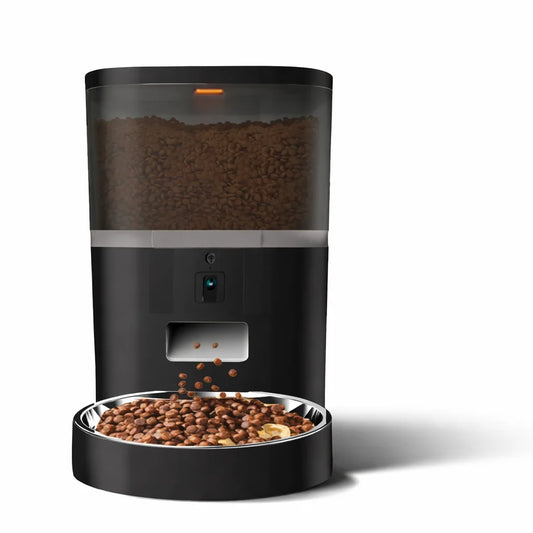
Raised, whisker friendly cat bowls lift food and water to a more natural feeding height and keep whiskers from brushing the sides of the bowl, which some cats find genuinely uncomfortable over a shallow, narrow dish. Ceramic and stainless steel bowls are easier to keep hygienic than plastic, which can hold odours and bacteria in fine scratches over time. Automatic cat feeders go a step further, dispensing measured portions on a set schedule, which helps with weight management and means your cat is fed on time even if you're running late or away for the day.
Water fountains: encouraging your cat to drink more
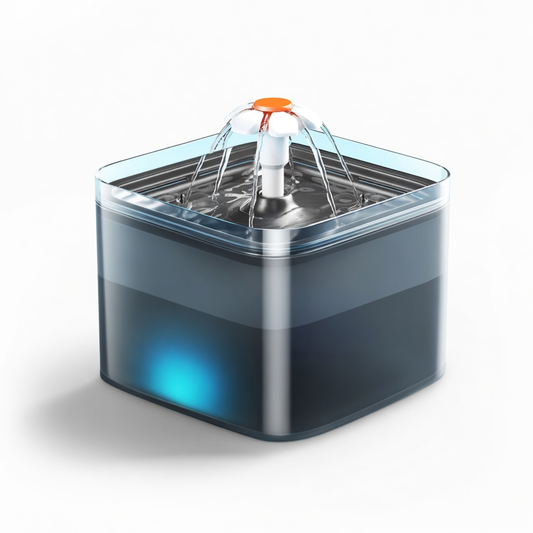
Cats evolved from desert dwelling ancestors and often have a naturally low thirst drive, which is part of why cat water fountains exist in the first place. Moving water appeals to a cat's instinct that flowing water is fresher and safer than still water, and a cat fountain can noticeably increase how much a cat drinks compared to a static bowl. Stainless steel fountains are the most durable and easiest to sterilise, while ceramic fountains tend to double as a more decorative option. Multi stage filtration removes hair, debris and odours between cleans, which matters most in multi cat households.
Litter boxes: less daily scooping
Self cleaning and automatic litter boxes handle most of the clean up cycle themselves, using sensors and rakes or rotating drums to separate waste from clean litter shortly after use. This cuts down dramatically on the twice daily scooping routine and helps keep odours under control between full litter changes. For cats that prefer a simpler setup, or households that don't want an electric litter box, stainless steel and semi enclosed litter trays remain a sturdy, low maintenance option that's easy to clean by hand.
Choosing what fits your routine
Multi-cat feeding and litter setups
Cats generally prefer to eat and toilet without competition from another cat nearby, so multi-cat households usually need more than one bowl and more than one litter box, spaced out rather than lined up next to each other. The often cited rule of one litter box per cat plus one spare applies here, and the same logic extends reasonably well to feeding stations in households where one cat tends to guard resources from another.
Transitioning to new equipment
Cats can be genuinely cautious about sudden changes to feeding or litter equipment, so introducing a new bowl, fountain or litter box alongside the old one for a week or two, rather than swapping everything overnight, usually leads to a smoother transition. This matters especially for automatic feeders and self cleaning litter boxes, since the noise and movement of the mechanism can be off-putting to a cat encountering it for the first time.
Cleaning routines that keep equipment working well
Bowls benefit from a proper wash daily rather than just a rinse, since oily residue from wet food builds up quickly and can affect how much a cat is willing to eat from it. Fountains need their pump, filter and reservoir cleaned on a regular schedule to prevent biofilm build up, and litter boxes, automatic or not, still need a full litter change on a routine basis even when daily scooping is handled automatically.
A quick checklist before you buy
Consider how much daily time you realistically have for scooping, refilling and washing before deciding between automatic and manual equipment across feeding, drinking and litter care. Automatic options cost more upfront but save real time day to day, while manual equipment is simpler, cheaper and has nothing mechanical to eventually need replacing.
A single cat household with someone home most days can often manage well with a standard litter tray and a simple raised bowl. Multi cat households, or owners who travel often, tend to get the most value from automatic feeders and self cleaning litter boxes, since both remove tasks that would otherwise need to happen on a strict daily schedule. Browse the full range below and filter by bowls and feeders, water fountains or litter boxes to match products to how your household actually runs.
Sorting out the whole feeding corner? See also our Litter Boxes, Bowls & Feeders and Water Fountains.